What Happens If an HVAC System Isn’t Serviced Regularly
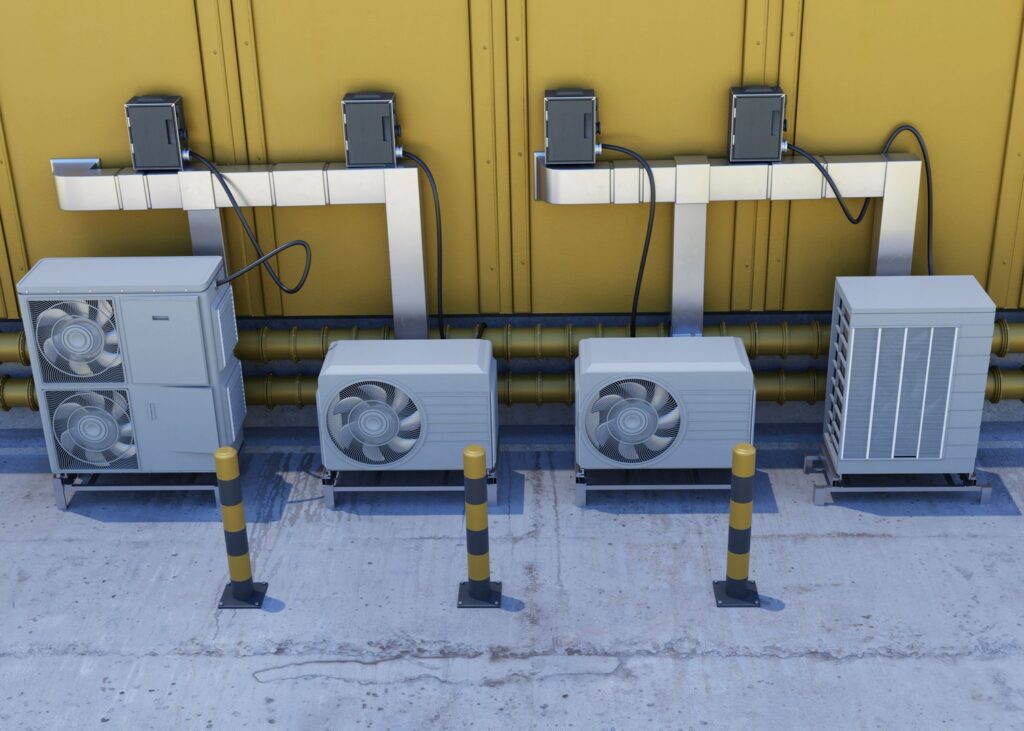
In homes across Suwanee, our heating, ventilation, and air conditioning systems work around the clock to keep indoor temperatures stable and comfortable. At the heart of that comfort is a properly working system that relies on routine care.
We provide services designed to help homeowners avoid performance issues, discomfort, and increasing costs. Without regular service, hvac suwanee units may begin to experience a range of problems that affect efficiency, reliability, and indoor air quality.
When Efficiency Slips Through the Cracks
Over time, an HVAC system gathers dust and debris that can restrict airflow and increase strain on internal parts. Without consistent service, filters might become clogged and components could start wearing out faster. During routine inspections, technicians check airflow, belts, and other parts to make sure the system continues to operate smoothly. They clean the unit, lubricate moving components, and replace or inspect filters. These actions help maintain airflow and reduce friction in the system.
When these tasks are skipped, the system tends to lose its efficiency. It may need to work harder and longer to reach set temperatures. This extra effort leads to increased energy use and higher monthly bills, even if indoor comfort doesn’t seem much different at first.
Small Issues Could Grow Into Costly Surprises
HVAC systems have multiple moving parts and electrical components that gradually wear down. Without maintenance, those small issues might remain unnoticed until they cause serious breakdowns. Regular service gives technicians the opportunity to check safety controls, tighten electrical connections, and make minor adjustments before problems grow.
Skipping these services increases the chance of sudden malfunctions during periods of heavy use. Summer heat or winter chill could expose those hidden faults at the most inconvenient times. When that happens, urgent repairs can become more expensive and disruptive than planned maintenance would have been.
The Fast Track to a Shorter System Life
Every HVAC unit is built to last, but how long it continues running depends heavily on how it’s cared for. Without service, parts wear down faster due to buildup, overheating, or poor airflow. A neglected system may struggle under added strain, forcing motors and other key components to do more work than intended.
Routine servicing helps slow that wear. When filters are clean, belts are secure, and airflow is balanced, the system doesn’t have to push itself as hard. That reduced workload helps preserve its internal parts and may extend its years of service before a replacement is needed.
When Dirty Filters Take Over the Air
One often overlooked result of irregular HVAC service is the drop in indoor air quality. Filters are the system’s main defense against dust, allergens, and airborne debris. If those filters remain unchanged for too long, they lose their ability to clean the air.
That means more particles may pass through vents and circulate throughout the house. This could lead to more dust buildup, discomfort, or increased exposure to irritants inside the home. Regular service includes checking and replacing filters to help ensure that air remains cleaner and safer for everyone in the space.
Energy Bills That Slowly Climb
When any part of the system becomes dirty, worn, or out of alignment, it may not work as efficiently. The unit might run longer to meet thermostat settings, consuming more energy as a result. This added workload contributes to higher energy costs over time.
Regular tune-ups help address those inefficiencies before they grow. Cleaning coils, clearing obstructions, checking refrigerant levels, and inspecting parts all contribute to smoother, more energy-conscious operation. This helps keep monthly energy bills in check and reduces long-term strain on the unit.
This is especially important for those depending on hvac suwanee ga systems through hot summers and cooler winters when comfort matters most.
Comfort That Comes and Goes
When HVAC service is skipped, performance tends to become less consistent. The system might begin to deliver uneven temperatures throughout the home, leaving some rooms too cold or too warm. These issues often stem from poor airflow, low refrigerant, or equipment wear.
Routine service checks can detect those problems early and restore balanced operation. Ensuring the system responds properly to thermostat input and delivers air evenly helps support comfort in every area of the home, not just in certain spots.
Saving Now Might Cost More Later
While skipping HVAC service may appear to save time or money at first, the long-term financial outcome is usually the opposite. A system that works harder uses more energy. A unit that isn’t inspected regularly could fail without warning. And a shorter system lifespan could lead to an earlier investment in a full replacement.
Preventative maintenance costs far less than emergency repairs or an untimely new installation. Regular inspections help address minor issues early, so they don’t turn into larger problems later on. Technicians who check systems seasonally may keep them operating more reliably and allow homeowners to avoid much of the financial burden tied to neglect.
Conclusion: Keep the Comfort Flowing
Choosing to service an HVAC system regularly supports comfort, performance, and efficiency in ways that become more noticeable over time. While it might be easy to overlook, regular maintenance is one of the most important steps in protecting indoor comfort and managing long-term expenses.
As the saying goes, “An ounce of prevention is worth a pound of cure.” When it comes to hvac suwanee care, staying consistent with maintenance helps create a smoother, more comfortable experience at home without the surprise costs or breakdowns that often follow neglect.
Frequently Asked Questions (FAQs)
Q1. How often should an HVAC system be serviced?
HVAC systems should typically be serviced at least once a year. Some homeowners choose to have maintenance performed before both the heating and cooling seasons to ensure reliable performance year-round.
Q2. What are the signs my HVAC system needs maintenance?
Common signs include uneven temperatures throughout the home, rising energy bills, unusual noises, weak airflow, or the system cycling on and off more frequently than usual.
Q3. Can skipping HVAC maintenance really shorten the system’s lifespan?
Yes, without routine servicing, components may wear down faster, leading to breakdowns and a shorter operating life. Regular maintenance helps reduce system strain and supports long-term performance.
Q4. Will HVAC maintenance help lower my energy bills?
Yes. Maintenance tasks like cleaning coils, replacing filters, and checking airflow allow the system to operate more efficiently. This can reduce the amount of energy used to heat or cool your home.